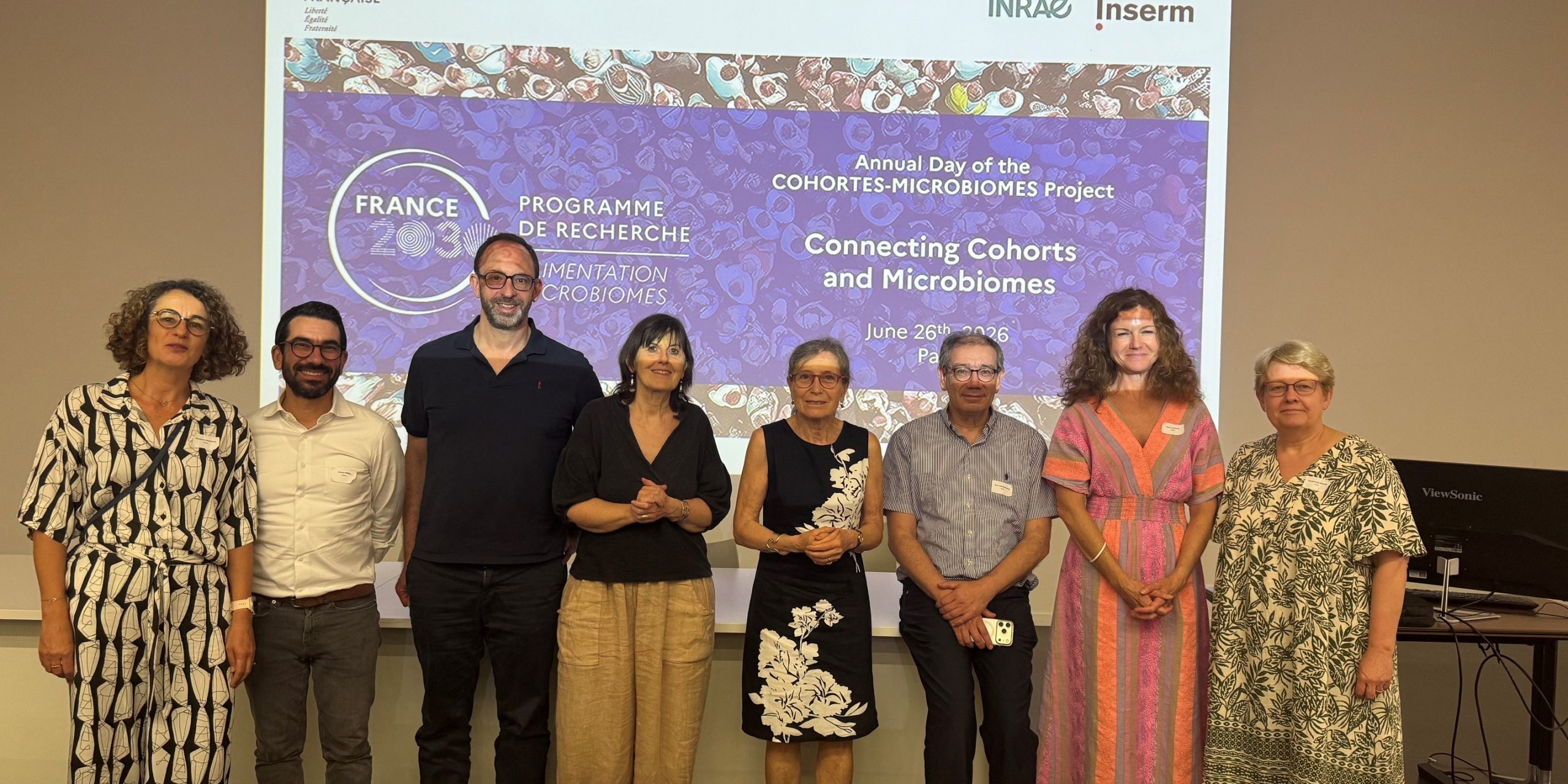
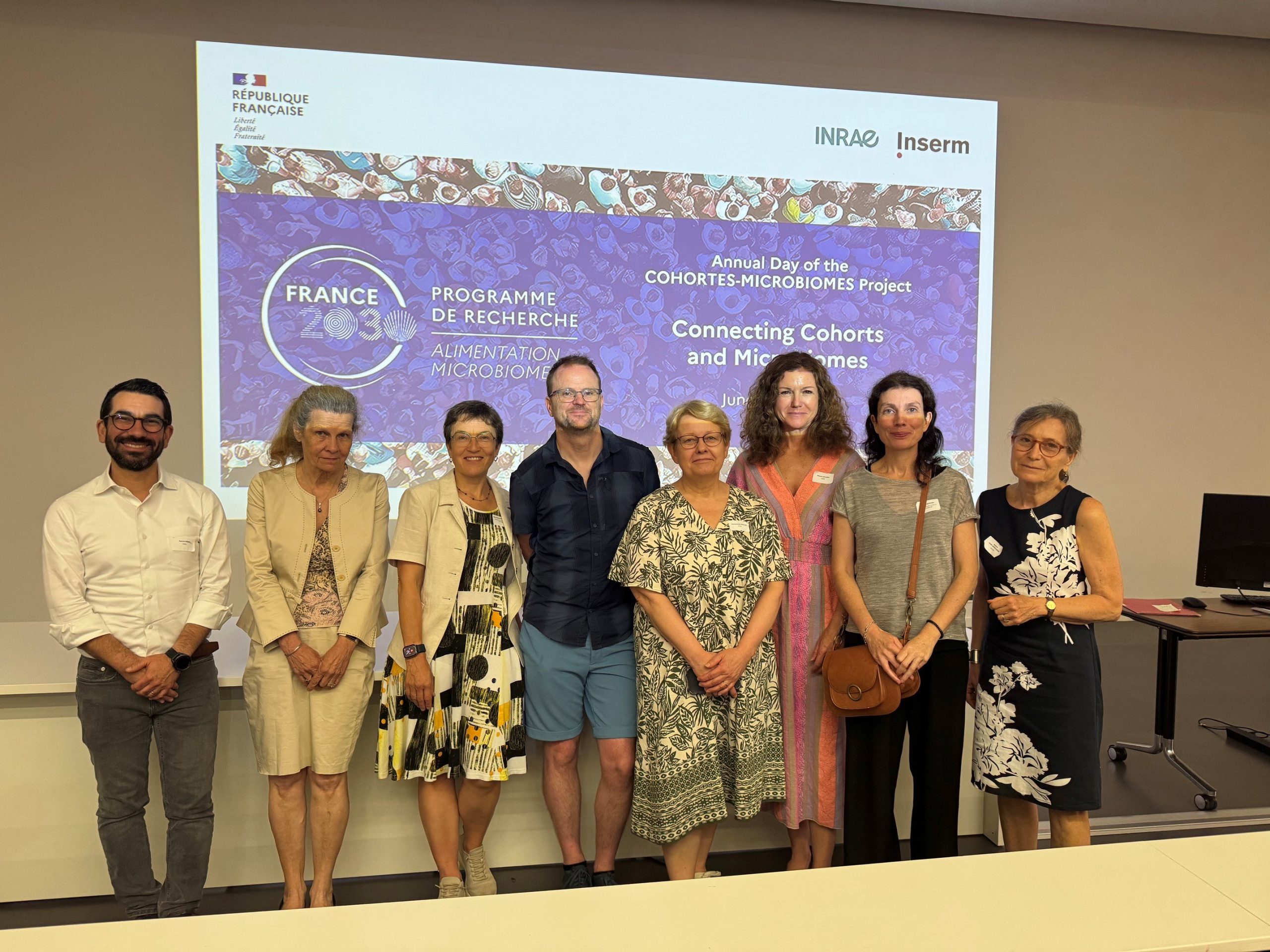
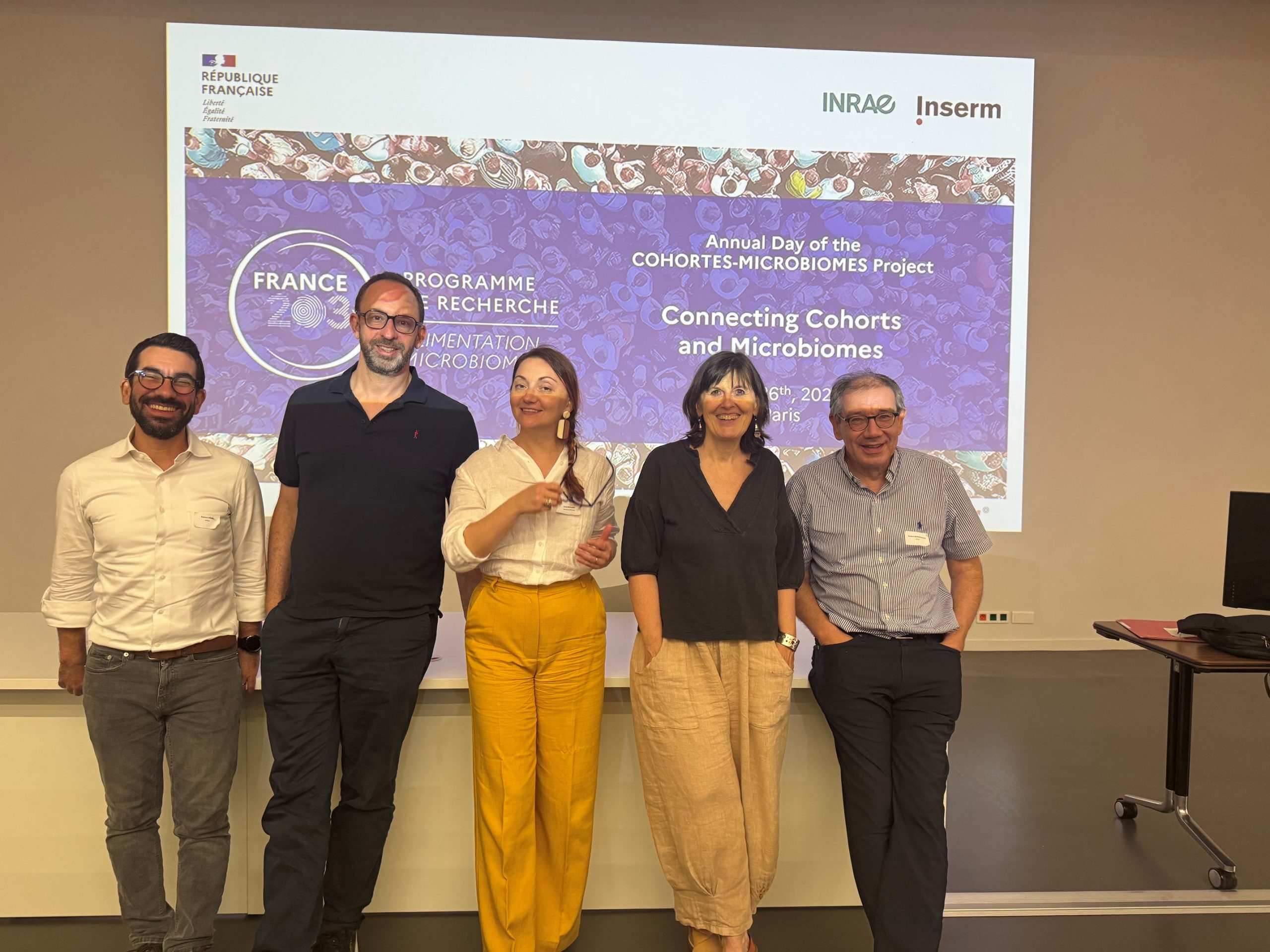
The COHORTES–MICROBIOMES project held its first Annual Scientific Meeting on Friday, 26 June 2026, at Université Necker (Paris). Funded through the France 2030 Research Program “Food Systems, Microbiomes and Health” (PEPR SAMS), the project aims to accelerate the characterization of human microbiomes across a wide range of French cohorts, including both participants from the general population and patients affected by various health conditions.
The main objectives of its first annual day were to learn from national and European cohort initiatives, foster networking and strengthen the COHORTES–MICROBIOMES community, but also to share best practices and advances in microbiome research.
- Welcome and key highlights of the COHORTES–MICROBIOMES project
- The French Gut Study: Mapping Microbiome Diversity at Scale – Patrick Veiga (MetaGenoPolis, INRAE) & Robert Benamouzig (AP-HP Avicenne Hospital)
- Microbiome Studies in Large Population Cohorts: Lessons from the Dutch Microbiome Project and LLNEXT – Alexandra Zhernakova (University Medical Center Groningen, The Netherlands)
- Milieu Intérieur: Understanding Causes and Consequences of Immune Variability in Healthy Populations – Darragh Duffy (Institut Pasteur, Paris)
- Dynamics of the Human Gut Microbiome: Insights from the Flemish Gut Flora Project – Muriel Derrien (VIB Center for Microbiology, KU Leuven, Belgium)
- Autoimmunity in Pediatrics: Key Findings from the ATRACtion Cohort – Adrien Schvartz (Institut Imagine, Hôpital Necker-Enfants Malades)
- Microbiome in Inflammatory Bowel Disease: Lessons from Deeply Phenotyped Cohorts – Harry Sokol (AP-HP Saint-Antoine Hospital, Sorbonne Université)
- Harnessing Immunotherapy: Clinical Evidence from Oncology Cohorts – Lisa Derosa (Gustave Roussy, Université Paris-Saclay)
- Decoding Obesity and Metabolic Disorders: Cohort-Based Evidence – Karine Clément (Sorbonne Université, AP-HP Pitié-Salpêtrière Hospital)
This programme was developed jointly by:
- the COHORTES–MICROBIOMES Scientific Steering Committee : Patrick Veiga (INRAE) – Marion Leclerc (INRAE) – Harry Sokol (AP-HP) – Robert Benamouzig (AP-HP) – Nadine Cerf-Bensussan (Inserm) – Karine Clément (Inserm)
- the Cohortes-Microbiomes project manager: Bénédicte Monnerie (INRAE)
The French Gut Project is a national citizen-science initiative targeting 100,000 participants. More than 62,000 participants have already been recruited and over 41,000 stool samples biobanked. The project combines metagenomics, health questionnaires and linkage with national health databases. Methodological advances include new bioinformatic tools, contamination detection approaches and analyses of ecological gradients that move beyond traditional enterotypes. Preliminary results suggest important links between hydrogen metabolism, diet, oxidative stress and microbiome ecosystem structure. Long-term antibiotic exposure was associated with persistent reductions in microbiome richness.
The Dutch Microbiome Project illustrated the power of large-scale longitudinal cohorts integrating genetics, microbiome profiles and environmental exposures. Analyses demonstrated that environmental factors are stronger drivers of microbiome variation than host genetics although specific genetic-microbial associations exist. The LLNEXT mother-child cohort highlighted microbiome development in early life and the influence of delivery mode, maternal health and infant feeding. Particular attention was also paid to the human virome as an emerging component of microbiome research.
The Milieu Intérieur programme follows 1,000 carefully phenotyped healthy volunteers to investigate immune variability. Age and sex emerged as major determinants of microbiome composition. Longitudinal analyses confirmed microbiome stability over time and identified associations between microbial taxa and immune cell phenotypes. The work provides an essential reference framework for distinguishing normal biological variation from disease-associated alterations.
The Flemish Gut Flora Project includes more than 6,000 participants and combines repeated sampling with extensive metadata collection. Results showed that microbiome stability and resilience are highly individual-specific. Acute perturbations such as antibiotic use, infections and dietary changes can temporarily alter microbiome composition before recovery toward a personal baseline. Strain-level analyses revealed ecological dynamics that are hidden when analysing species alone and demonstrated the value of repeated longitudinal sampling for biomarker development.
ATRACtion is a translational cohort focused on pediatric dysimmune diseases. The project combines detailed clinical phenotyping, standardized collection of blood, urine and stool samples and the integration of transcriptomics, proteomics and microbiome data. One key challenge was the establishment of an appropriate pediatric control population, leading to the development of alternative control cohorts. A stratification framework combining clinical information, inflammatory markers and multi-omics data aims to improve patient classification and support personalized approaches.
Deeply phenotyped IBD cohorts demonstrated extensive microbiome alterations in Crohn’s disease and ulcerative colitis. Dysbiosis patterns differed according to disease subtype, activity, treatment exposure and anatomical involvement. Machine-learning models showed that microbiome signatures could predict disease flares with moderate but reproducible accuracy. Postoperative cohorts further revealed dynamic microbiome changes associated with recurrence after ileocecal resection and highlighted distinct biological mechanisms according to lesion location.
The presentation highlighted the growing importance of the microbiome in cancer and immunotherapy. Specific biomarkers including Akkermansia muciniphila, MAdCAM-1 and bile-acid signatures were associated with treatment response. Development of the TOPOSCORE classifier illustrated the potential of microbiome-based prognostic tools. Emerging microbiota-centred interventions, including faecal microbiota transplantation, may help overcome resistance to immunotherapy and support precision oncology.
Karine Clément presented obesity and metabolic disorders as multifactorial conditions involving interactions between genetics, lifestyle, environment and the microbiome. Reduced microbial richness was associated with obesity, inflammation and metabolic dysfunction. Results from the METACARDIS project illustrated the value of deeply phenotyped European cohorts integrating clinical, metagenomic and metabolomic data. The findings support microbiome-based patient stratification and personalized prevention and treatment strategies.
*Presentations marked with an asterisk are available upon request: contact benedicte.monnerie[at]inrae.fr
The 2026 COHORTES–MICROBIOMES Annual Day highlighted the dynamic evolution of microbiome science, with cohort-based research playing an increasingly important role in generating robust and clinically relevant insights into host-microbiome interactions.
Across population-based, clinical and translational studies, speakers demonstrated how longitudinal datasets, harmonized methodologies and multi-omics approaches are generating increasingly robust insights into host-microbiome interactions.
Beyond scientific advances, the meeting showcased the diversity and complementarity of cohorts addressing major health challenges, ranging from immune variability and inflammatory diseases to cancer, obesity and cardiometabolic disorders. The inclusion of pediatric dysimmune diseases, inflammatory bowel diseases, oncology and metabolic health further reinforced the importance of integrating microbiome research with precision medicine approaches.
Looking ahead, the discussions highlighted several priorities for the years to come. These include strengthening collaborations between cohorts, further harmonizing protocols and data infrastructures, expanding longitudinal follow-up, and accelerating the integration of multi-omics data with clinical and environmental information. Such efforts will be essential to improve the reproducibility and comparability of microbiome studies, facilitate data sharing at the national and international levels, and maximize the scientific value of existing cohorts.
Ultimately, the COHORTES–MICROBIOMES project is well positioned to contribute to the emergence of microbiome-informed precision medicine and to support the translation of research findings into tangible benefits for public health and patient care.
The COHORTES–MICROBIOMES Scientific Steering Committee (Patrick Veiga, Marion Leclerc, Harry Sokol, Robert Benamouzig, Nadine Cerf-Bensussan and Karine Clément) and the project manager (Bénédicte Monnerie) warmly thank the speakers for their scientific contributions and the participants for their engagement in the discussions.
Special thanks to the PEPR SAMS directors and team for their continued support on COHORTES-MICROBIOMES project.
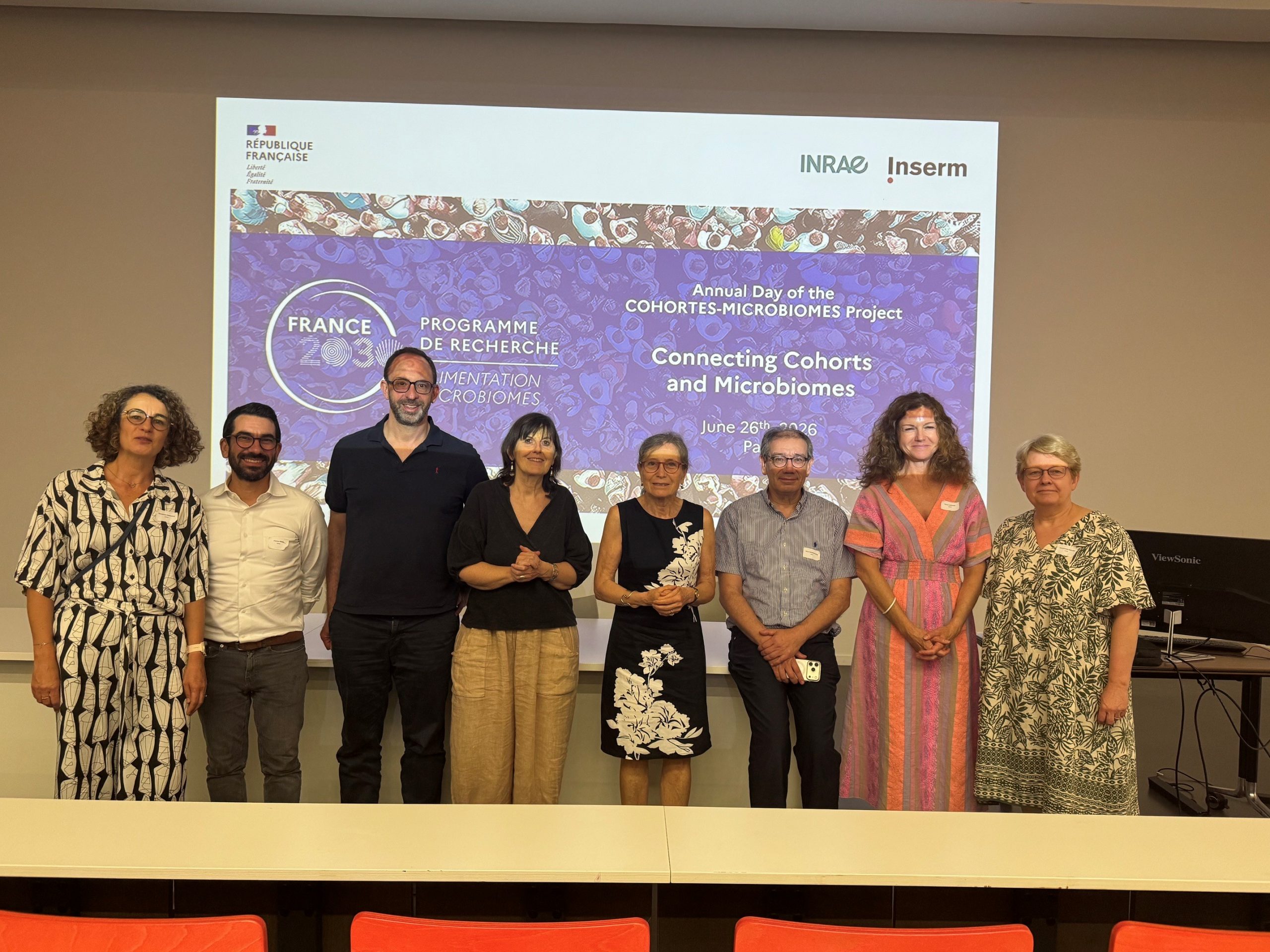
The event brought together researchers, clinicians, public health professionals, and other stakeholders involved in the COHORTES–MICROBIOMES project and its broader community : 85 participants, including 75 attendees on site and 10 participants attending remotely.
A post-event survey completed by 25 participants revealed a very high level of satisfaction. All aspects evaluated, including the scientific content, quality of discussions, networking opportunities, and event organization, received average scores above 4.4/5, with 100% of respondents rating the event either 4/5 or 5/5.
Participants particularly appreciated the quality of the presentations and the richness of the scientific exchanges. Suggestions for future editions included greater involvement of early-career researchers, more discussion of cohort infrastructures and biobanks, and the participation of industrial and private-sector stakeholders to broaden perspectives on the translation and application of microbiome research.
- PEPR SAMS (Food Systems, Microbiomes and Health) is a €58M France 2030 programme led by INRAE and Inserm to better understand the links between food systems, microbiomes and human health.
- The programme is structured around two complementary pillars, Microbiomes & Health and Food Systems, connected through interdisciplinary research and intervention studies.
- A major effort has focused on the development of 9 targeted projects (including COHORTES–MICROBIOMES project), providing shared resources and infrastructures for the community, including cohort integration, biobanks, pre-analytical harmonisation, culturomics platforms, development of jejunal organoids, gnotobiotic models and secure data environments.
- Progress has been made in harmonising microbiome data and protocols, strengthening cross-cohort comparability and enabling large-scale multi-omics analyses. Large population studies are generating new datasets linking diet, microbiomes and health.
- First scientific outputs and publications are providing new insights into host-microbiome interactions, dietary effects on microbiome composition and microbiome-related disease mechanisms.
- Through dedicated calls for proposals, PEPR SAMS is stimulating new collaborations and supporting innovative projects at the interface between nutrition, microbiomes and health.
- Several projects are now advancing towards interventional research, exploring how dietary interventions may modulate microbiomes and improve health outcomes.
- The programme has successfully built a national community bringing together 40 organisations, 109 laboratories, 175 scientists – faculty members and 175 engineers, 14+ cohorts and 15 biobanks.
- Strong emphasis is placed on communication, dissemination and community engagement, through scientific events, digital channels, outreach activities and stakeholder interactions.
- PEPR SAMS is also strengthening its international footprint through active participation in several initiatives like the World Microbiome Partnership, the Microbiome One Health Observatory (57 human cohorts ≈ 500,000 samples from 30 countries + 7 cohorts consortia involving several countries), etc
- The next steps for the PEPR SAMS are to monitor the selected projects, place greater emphasis on promoting the projects receiving support, and launch a new call for proposals under the ‘Science with and for society’ theme.